
What if we transform your dream into an unforgettable journey?
Created by a group of guides in 1999, Tourmaline Safaris cc is a Namibian Tour Operator run by a team of individuals experienced in organising safaris all over southern Africa.
Through this website, we would like you to discover the richness and beauty of Namibia, Botswana and South Africa.
Each of our proposals is based on the elements of your search, so take your time to explore our site, and when you contact us, we’ll take great pleasure in advising you on how you can make your next trip to southern Africa as exciting and unforgettable as possible.
Here, we would also like to thank all our partners: car hire agencies, tour guides, hosts and airplane pilots who share our vision of quality Safaris. Thanks to them, we offer a reliable service, a professional welcome and guarantee a successful journey, environmentally friendly and considerate to all plants and animals.
Welcome to Tourmaline Safaris and see you soon in Southern Africa!
-

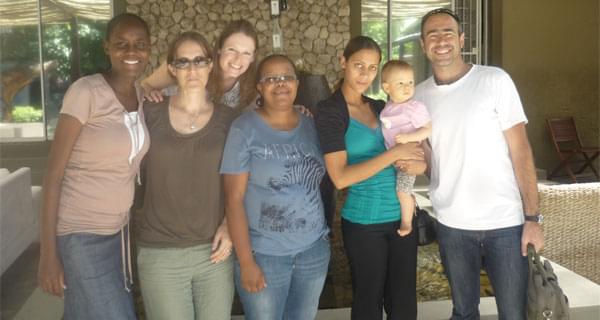
A passionate and experienced team
For over 17 years, we have been in this field and have developed expertise and key skills to contribute to the success of your stay.
-
Quality at it’s best
We take into account your feedback and work constantly to improve the quality of our services. We consider the various providers with whom we work as partners. We all contribute to our measure and with our skills to the success of your trip.
-
Customized Travel
Each of our proposals is based on the elements of your research. It is through exchanges that we come to define the project that corresponds to you. The project examples of the site may allow you to define certain preferences.
Our Added value
What benefits do you get when you trust us with the organisation of your journey to Namibia, Botswana and South Africa?
- No extra charges: booking your travel plans through us saves time and incurs no extra cost,
- In having only one partner, you save money by limiting the number of international payments (and associated costs),
- You'll get advice and insights from a professional team with in-depth knowledge of southern Africa,
- We'll provide a 3% discount if your payment is done by bank transfer.